
What Are Full Arch Dental Implants?
This approach allows many patients to avoid removable dentures.
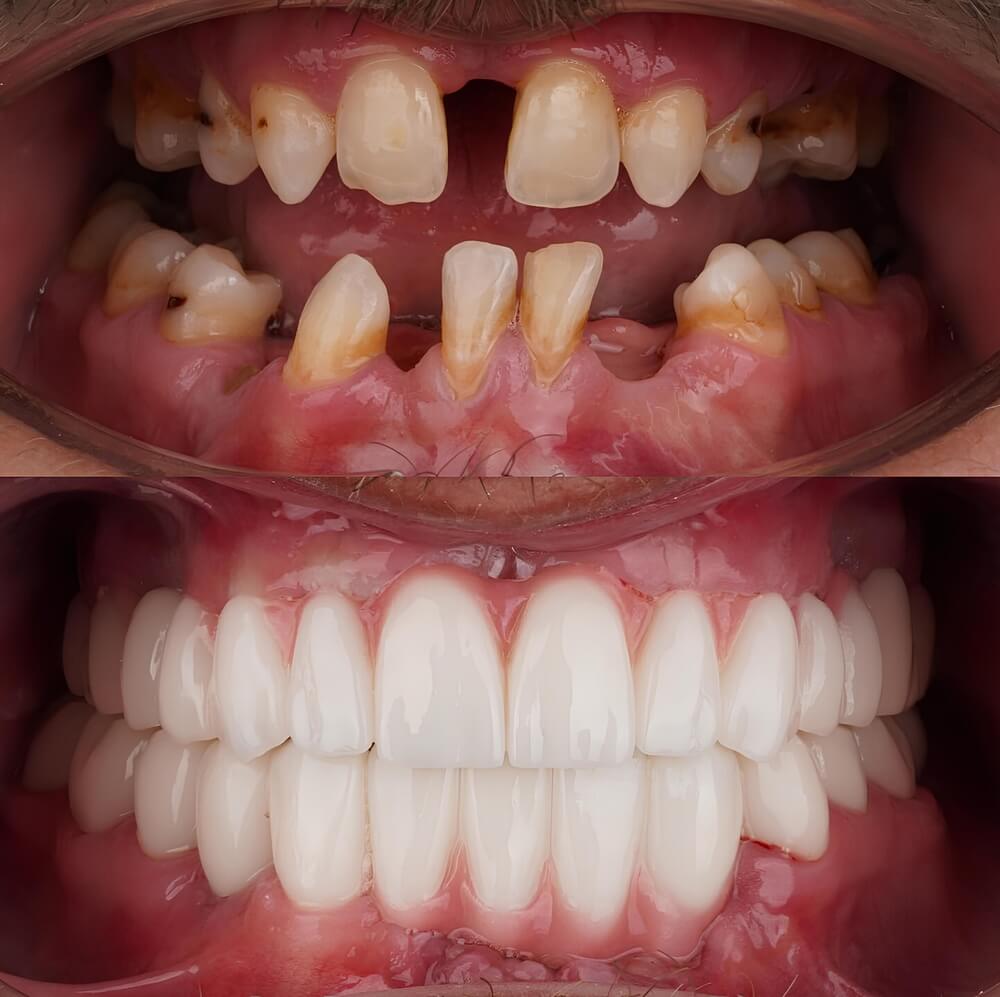
Who Is Suitable for Full Arch Implant Treatment?
A full clinical assessment and imaging review is required before treatment planning.
Step-by-Step Full Arch Implant Procedure
Recovery After Full Arch Implants
Healing timelines vary depending on bone quality and case complexity.
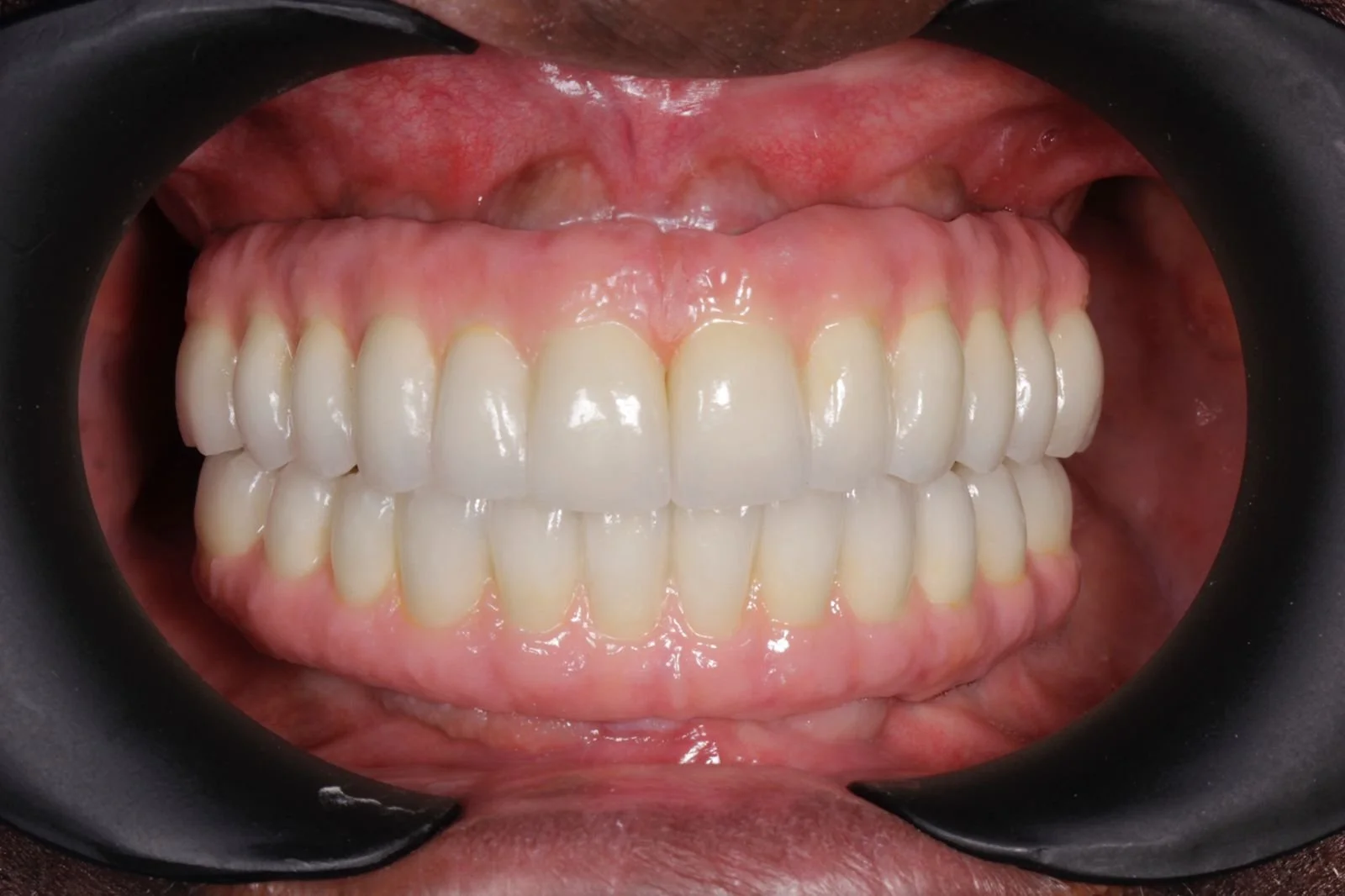
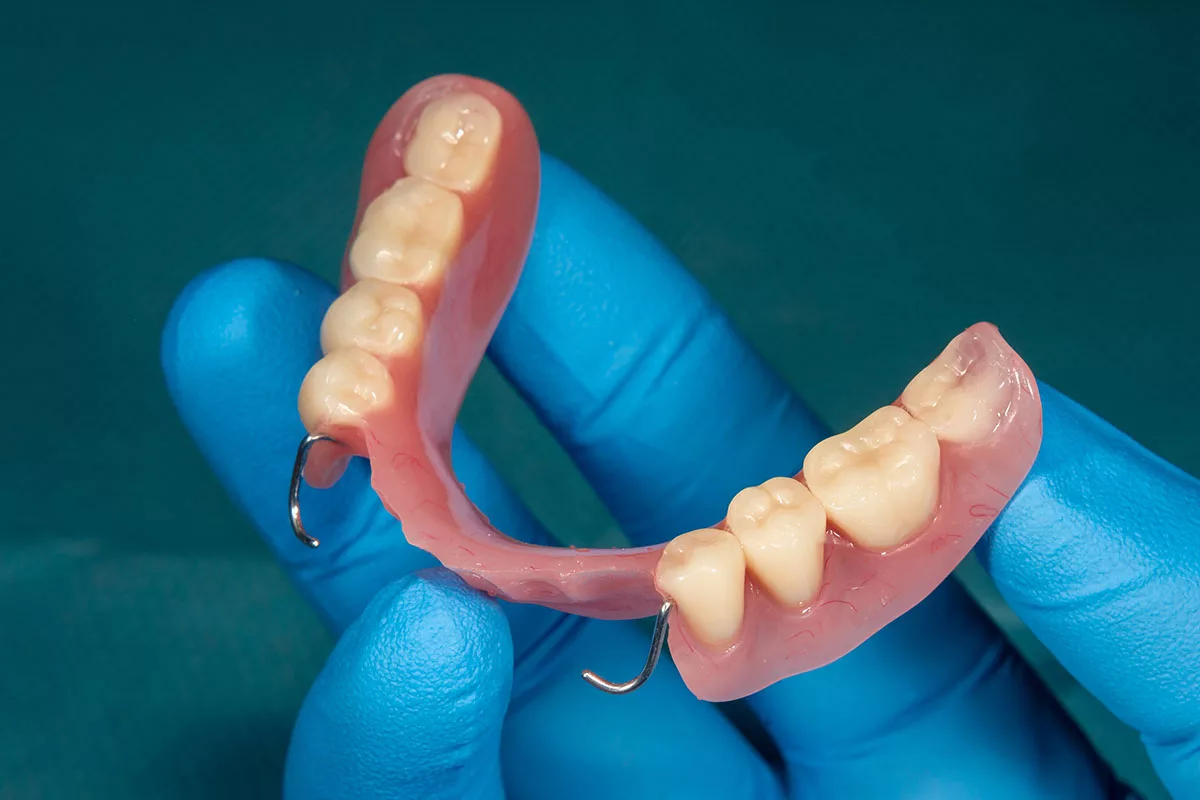
Full Arch Implants vs Removable Dentures
Dentures may shift or loosen over time, while implants provide a fixed solution.
How Much Do Full Arch Dental Implants Cost in Dublin?

Bone condition
Need for grafting
Restoration materials
Case complexity
A detailed treatment plan and cost breakdown are provided after consultation.
For a broader overview of implant pricing, see our dental implant cost guide.
How Long Do Full Arch Implants Last?
Good oral hygiene and professional cleaning are essential for long-term success.
Why Choose HappyDental for Full Arch Implants in Dublin?
Our aim is to provide carefully planned, predictable full arch implant treatment.
Book a Consultation in Dublin
During your visit, we will:
Book your consultation to discuss full arch dental implants in Dublin.
1- Assessment and Treatment Planning
The First Step is a Consultation, a thorough evaluation is conducted by one of our Dental Implant Qualified Dentists. This includes assessing the condition of your existing teeth, gums, and jawbone. A CT Scan is required to proceed to the Treatment Planning which can be done on the day of the Consultation, cost €160.00 plus €40.00 for diagnosis, or the patient can choose to not do or do at a later date .
The initial quotation is customized and unique based on each patient’s differing specific needs, and the feasibility of the Full Arch on Four Dental Implants approach is determined.
6- Benefits
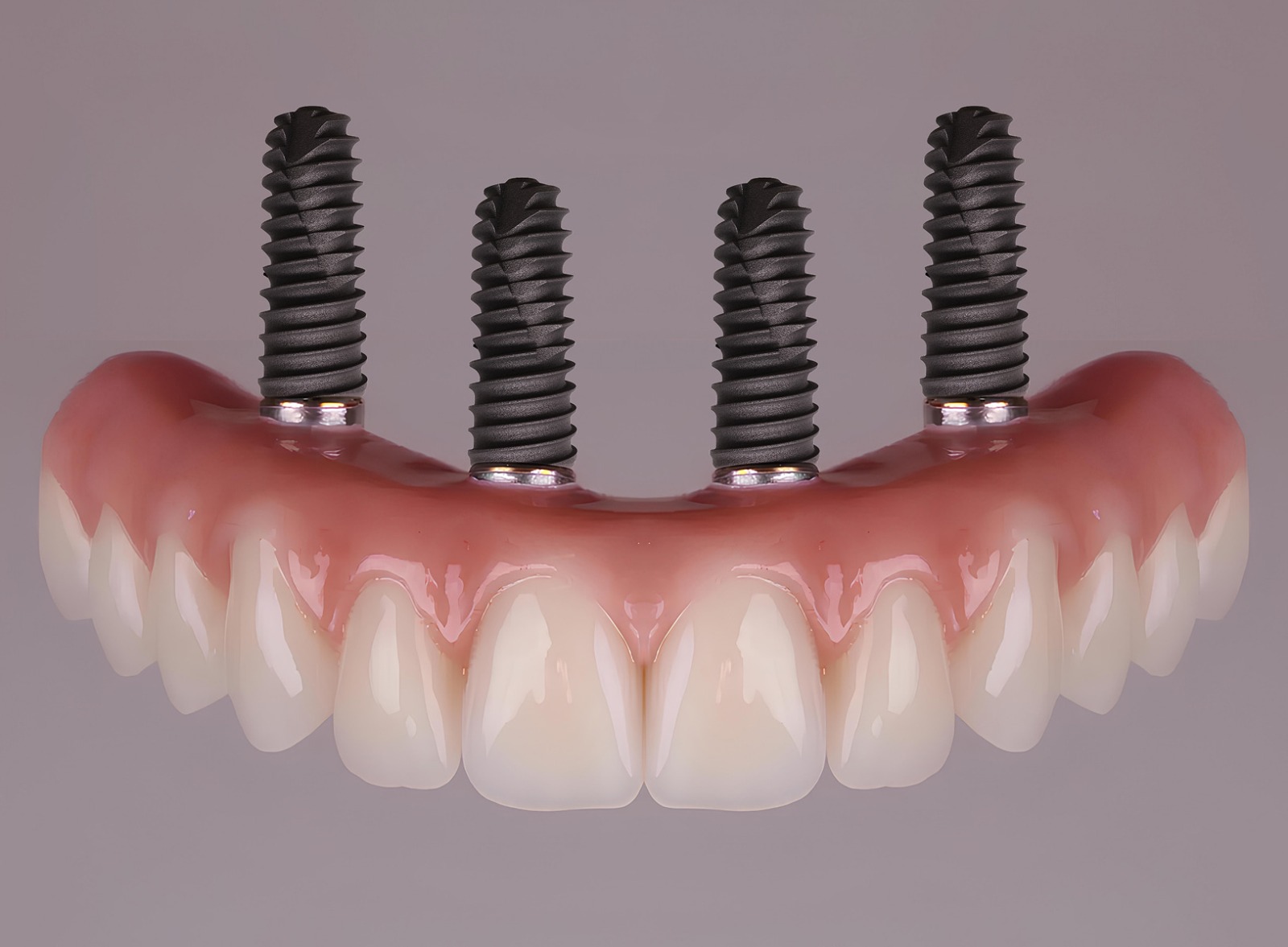
Full Arch on Four Dental Implants offer several advantages, including:
- Faster treatment time compared to traditional implant-supported full arch restorations.
- Reduced surgical complexity, often eliminating the need for bone grafts.
- Improved stability and function compared to removable dentures.
- Enhanced aesthetics and self-confidence.
- A more cost-effective solution compared to individual implants for each missing tooth.
7- Maintenance and Care
Just like natural teeth, Full Arch on Four Dental Implants require regular oral hygiene and maintenance. Patients should brush and floss their new teeth as directed by their dentist and attend regular check-ups.
8- Longevity
It’s important to note that the success of the Full Arch on Four Dental Implants procedure depends on various factors, including the patient’s overall health, the quality and quantity of available bone, and adherence to post-surgery care instructions. Therefore, it’s essential to consult with one of our qualified dental professional to determine if Full Arch on Four Dental Implants are the right solution for your specific dental needs.
2- Dental Implant Placement
On the day of the procedure, the patient is numbed with local anesthesia to ensure comfort during the surgery.
Four dental implants are strategically placed in the jawbone. Two of these implants are inserted vertically in the front of the arch, and the other two are placed vertically in the rear of the arch with one on each side. This provides better support and takes advantage of the available bone, even if it has some degree of resorption.
3- Temporary Denture
After the implant placement, a temporary set of teeth, often referred to as a provisional prosthesis or denture, is an option some patients choose. This allows the patient to have functional teeth while the implants heal and integrate with the jawbone without putting pressure directly onto the dental implants.
4- Healing and Osseointegration
Over the next five months, the dental implants will gradually fuse with the surrounding bone through a process called osseointegration. This integration ensures a strong and stable foundation for the permanent teeth.
5- Final Prosthesis
Once osseointegration is complete, the temporary prosthesis is replaced with a permanent set of teeth. These teeth are custom-made to fit your mouth comfortably and resemble natural teeth in both appearance and function.
